Nurse also did not attempt CPR as she claimed that a resident was ‘already dead’
Clinical
Image

Research indicates that aspirate pneumonia as a result of dysphagia can be one of the leading causes for episodes of hospitalisation among people with intellectual disabilities
Image
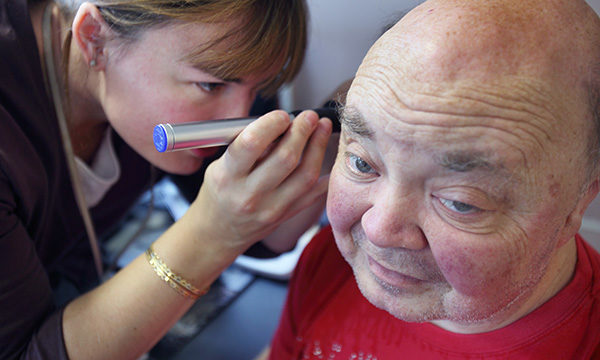
People who have a learning disability have increased health risks compared to the general population and access healthcare less frequently.
Image
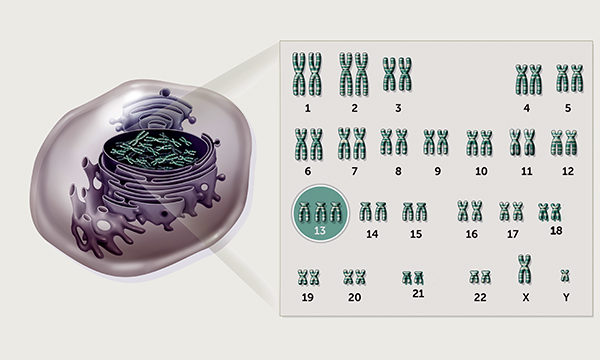
A series about conditions with common symptoms that constitute syndromes
Image

Young people who have learning disabilities commonly have many complex and severe life-limiting conditions that result in premature death.
Image

People with a learning disability often experience health inequalities.
Image
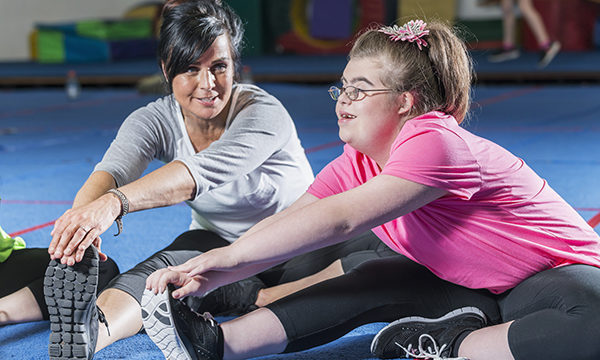
The Health Equality Framework (HEF) is an outcome measurement tool to record any work that learning disability nurses and other clinicians unde
Image
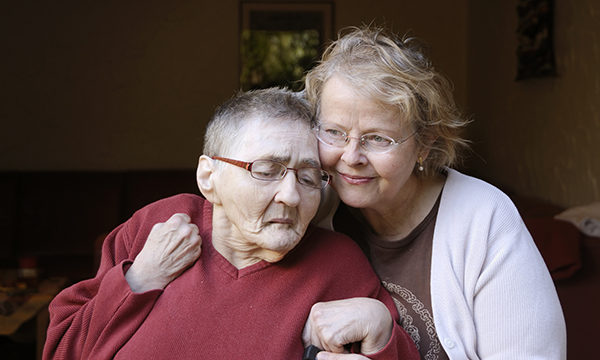
The adult community learning disability team in Cornwall made a commitment to provide a better service for people with profound and multiple le
Image

A series about conditions with common symptoms that constitute syndromes
A series about conditions with common symptoms that constitute syndromes
Image

A lifelong learning Erasmus intensive programme promoting inclusion of persons with disabilities has involved collaboration between universitie
Image

This article celebrates one of the most important books in the history of intellectual disability, The Cloak of Competence: Stigma in the Lives
Image

Aim To investigate whether staff training in positive behavioural support (PBS) improves service users’ quality of life (QOL).
Image

Aim To investigate the views of people with a learning disability on their experiences of the community team for people with a lea
Background Behaviours of concern restrict opportunities and choices for some people with learning disabilities and autism spectrum conditions and often lead to potentially harmful, restrictive and costly interventions.
A series about conditions with common symptoms that constitute syndromes
People with learning disabilities are more likely to die from respiratory tract disease and infections than people without learning disabilities.
This article is a co-authored account of the co-production process for the Who’s Challenging Who? (WCW) training intervention and research project (Hastings et al In Press).
It is known that people with a learning disability can experience higher rates of mental illness than the wider population. The government and the NHS are actively promoting mental health and well-being.
In people with learning disability who have capacity under the Mental Capacity Act 2005 health professionals need to ensure that, when they are giving consent to treatment with medication, the consent is truly ‘informed’.