Health visitors in south Wales set to strike after NHS employer ignores job evaluation appeal
CPD articles
Image
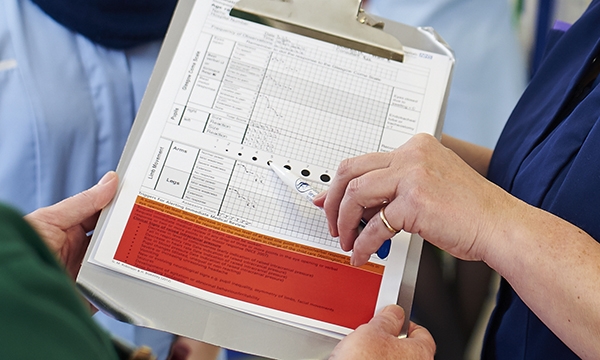
After 40 years, the Glasgow Coma Scale (GCS) is the resource of choice for assessing the level of consciousness in patients with neurological conditions.
Image

Children with acute musculoskeletal pain caused by traumatic injury often present to emergency departments (EDs).
Image
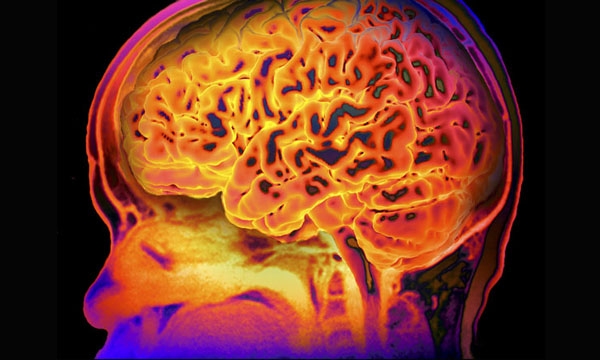
Head injury is the most common cause of injury-related death and permanent disability in children.
Image
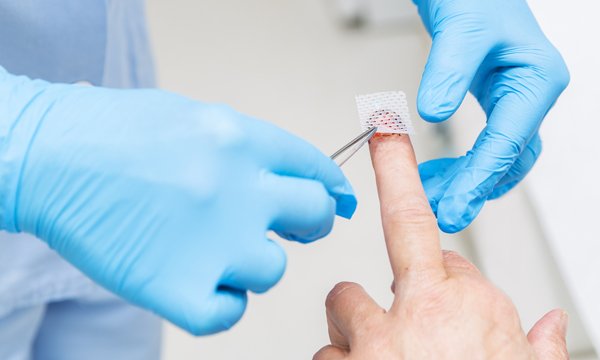
Fingertip injuries with nail bed trauma can require specialist hand surgery, depending on severity.
Image
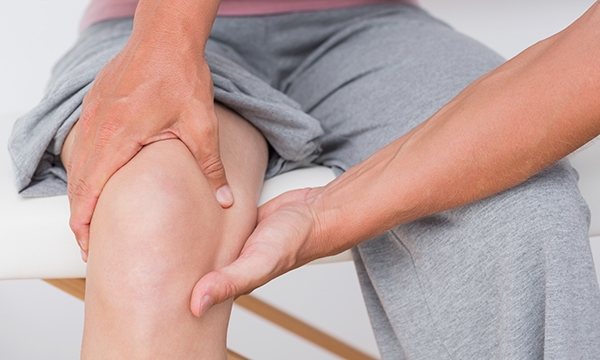
Appropriate history taking and examination can ensure accurate diagnosis of common knee problems, and rapid and effective interventions or referral to ortho
Image

The sharing of knowledge among nurses and clinicians can strengthen the healthcare professions.
Image

People who have mental health crises while attending emergency departments (EDs) require immediate assessment and management, and ED staff must be prepared
Image
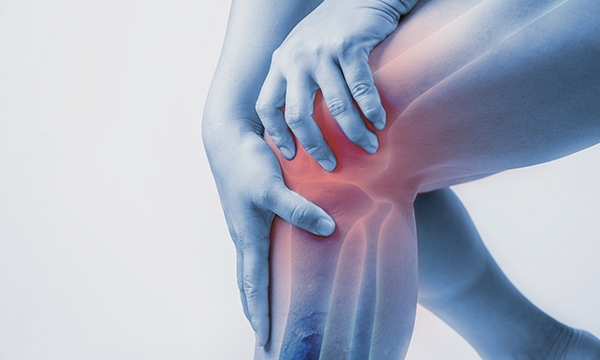
Prompt and effective diagnosis and treatment for common knee problems depend on practitioners’ ability to distinguish between trauma
Twelve-lead electrocardiograms (ECGs) record 12 different views of cardiac electrical activity, or leads.
This article describes how to interpret the single-lead electrocardiogram (ECG).
Prompt treatment of patients with cardiorespiratory arrest can mean the difference between life and death.
This article provides an overview of meningitis and meningococcal septicaemia, which can have devastating effects.
<p>This article provides an overview of the mechanism of ballistic injuries. It also explores the management of patients with gunshot wounds in emergency departments.</p>
Prompt and effective diagnosis and treatment for common shoulder problems depends on the ability of practitioners to distinguish between traumatic and non-traumatic shoulder conditions.
Toxic shock syndrome is outlined, paying particular attention to the important role of nurses in its diagnosis and early management
This article describes the clinical presentation and associated electrocardiogram recordings in patients with electrolyte disturbances, particularly serum potassium disturbances
In this article, David McKenna describes the basic anatomy and biomechanics of the hand and how these relate to hand examination and assessment of injury
Acute ankle and foot trauma is a regular emergency presentation and prompt strategic assessment skills are required to enable nurses to categorise and prioritise these injuries appropriately.