Health visitors in south Wales set to strike after NHS employer ignores job evaluation appeal
Clinical
Image
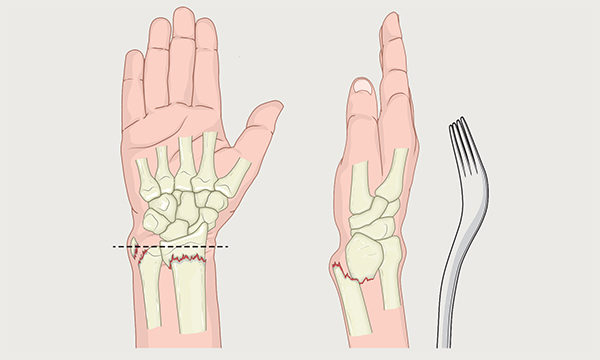
Distal forearm fractures are a common presentation in UK emergency departments (EDs).
Image
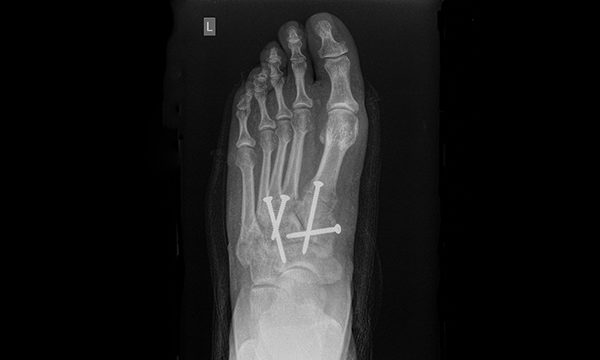
Injuries to the tarsometatarsal joint complex, also referred to as a Lisfranc injury, are relatively uncommon presentations to emergency depart
Image

UK emergency departments (EDs) are high-pressure environments focused on delivering care in the most efficient way to patients with a range of
Image

Aim Clinical handover at the point of discharge is critically important.
Image

In the final part of this three-part series, David Hunter and colleagues analyse the factors that enable and support delivery of compassionate
Image

Aim The aim of this study was to examine an emergency department’s (ED) multidisciplinary teams’ (MDTs) attitudes towards an advan
Image
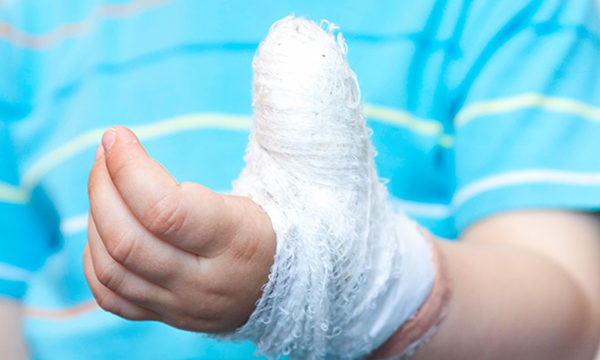
Fingertip injuries in children are a common presentation in emergency settings.
Image
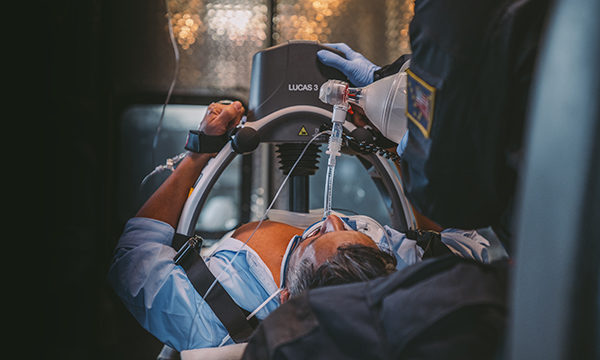
Out-of-hospital cardiac arrest (OHCA) is a common occurrence in the UK, with 60,000 cases reported annually.
Image

In the second part of this three-part series, David Hunter and colleagues discuss the barriers to the provision of compassionate care in emerge
Image

Aim The aim of the study was to explore the reasons why people do not always wait to receive treatment after registering in emerge
Image

Compassion is a topical issue in clinical nursing practice, nurse education and policy, but a review of the literature reveals that nursing stu
Image
Peripheral venous access is the most common invasive procedure performed on patients in the UK and is traditionally the responsibility of nursi
Electrocardiogram (ECG) is one of the most commonly performed inves
Digit hair tourniquets are relatively uncommon. There are reports in the literature of hair tourniquets involving other appendages, such as the penis and uvula, however the phenomenon is not widely recognised and is often overlooked by healthcare professionals.
The aim of this study is to determine emergency nurses’ knowledge about, and perceived ability to support, people who are suicidal. A questionnaire consisting of 34 questions was sent out to 113 adult emergency nurses employed in two emergency departments.
Emergency care settings in Ireland have struggled with a high volume of service users in recent years.
To deliver a patient-centred service, emergency departments (EDs) must be efficient, effective and meet the needs of the local population.
Children with acute onset non-traumatic limp often present to emergency departments (EDs). The limp can occasionally be associated with medical emergencies such as septic arthritis and slipped upper femoral epiphysis but is often due to less severe conditions.