Bone marrow transplants: celebrating the nurses and patients
1 March 1983 marks the date the first patient underwent a bone marrow transplant at University Hospital of Wales. It is a chance to reflect and remember the inspirational nurses who shaped the South Wales Blood and Marrow Transplant Programme as well as the resilient patients who remind us of why this work is so important
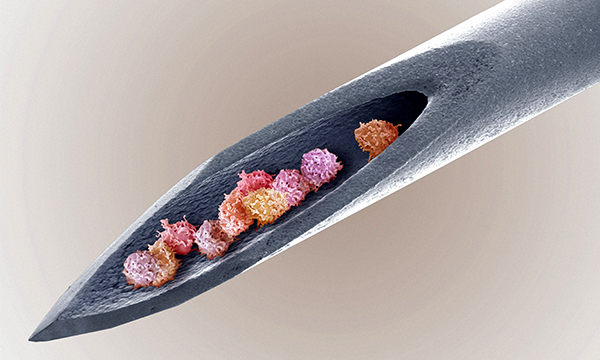
The South Wales Blood and Marrow Transplant Programme has been shaped by pioneering nurses and inspirational patients since its first bone marrow transplant in 1983
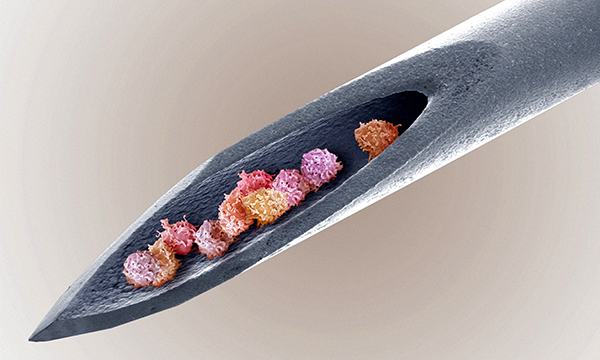
March is a moment of reflection for the South Wales Blood and Marrow Transplant Programme.
The first patient to undergo a bone marrow transplant (BMT) at University Hospital of Wales (UHW), Cardiff, received the bone marrow cells in the intensive care unit, coincidentally and significantly, on St David’s Day, 1 March 1983.
‘Nurses are inspired by the courage, resilience and determination patients show in the face of serious illness’
As we celebrate our anniversary, we recognise not only the nurses who contributed to the development of the service but the inspirational patients whose resilience continually reminds us why this work matters. Having been a BMT/Haematology staff nurse in the service at UHW from 1988, and then seven years as a stem cell donor manager at the Welsh Bone Marrow Donor Registry, I affectionately became known as the unit's ‘BMT archivist’ celebrating transplant milestones.
As part of the 40th anniversary in 2023, and as a nurse with more than 30 years of working in haematology/BMT, I invited colleagues – past and present – to share their experiences. Reflection is essential in nursing; it helps us to recognise our skills, values and the moments that truly matter.
- RELATED: How do bone marrow transplants work?
Nurses make a meaninful difference by showing respect, dignity and compassion
Key themes emerged. Nurses are inspired by the courage, resilience and determination patients show in the face of serious illness. Witnessing this strength deepens the nurse-patient relationship and drives compassionate, high-quality care.
Trust is built through presence, steady support and attentive listening. By showing respect, dignity and compassion, nurses make a meaningful difference, often during the most challenging times.
Specialist units in Cardiff, and later Swansea, have become places of hope, where patients maintain optimism while facing uncertainty. It is a privilege to walk alongside them, sharing in their fears, hopes and dreams. Extraordinary camaraderie and teamwork among staff have been a source of strength through many difficult days.
I have witnessed constant evolution in haematology treatments, expanding eligibility through clinical trials, new chemotherapies, innovative monoclonal antibodies and CAR T-cell therapy. These advances have improved outcomes and offered nurses rich learning opportunities, continually advancing knowledge, skills and clinical confidence.
For more than 40 years, the transplant team has grown from one consultant haematologist and one specialist registrar to a full team of transplant consultants, registrars, advanced nurse practitioners, clinical nurse specialists and allied health professionals, ensuring every stage of the patient journey is managed carefully with best practice at the heart of all we do.
This editorial is dedicated to the memory of Emma Dimond who passed away earlier this year.