


Image
Benefits of a collaborative approach to service evaluation in urgent care
Collaboration and service evaluation are important to enable high-quality care
22 Nov 2022
Image
15 Aug 2017
Image
Remote decision-making

Aims Remote clinical decision-making (RCDM), commonly known as ‘telephone triage’ or ‘hear and treat’, describes clinicians’ non-face-to-face involvement with patient care, and is an established strategy in UK ambulance services for managing increasing demand. However, there is no suitable definition of RCDM that fully explains the roles undertaken by clinicians in 999 hubs, or for its use as an ambulance quality indicator (AQI). The aim of this study, which is part of a larger evaluation of a new RCDM module in higher education, is to determine how clinicians define RCDM.

Methods Three participants were asked, during semi-structured interviews, to define RCDM. The interviews were recorded, transcribed and thematically analysed.

Results Clinicians do not focus on outcomes when defining RCDM, but on the efficacy of the process and the appropriateness of the determined outcome.

Conclusion There is no precise description of the role of healthcare professionals in 999 clinical hubs, but there is a need for role clarity, for employees and organisations. The study questions the suitability of the definition of hear and treat as an AQI, as it does not appear to represent fully the various duties undertaken by 999 clinical hub healthcare professionals. More research is needed to consider the definition of RCDM in all its forms.

12 May 2017
Aims

Remote clinical decision making (RCDM), commonly known as ‘telephone triage’ or ‘hear and treat’, describes clinicians’ non-face-to-face involvement with patient care, and is an established strategy in UK ambulance services for managing increasing demand. However, there is no suitable definition of RCDM that fully explains the roles undertaken by clinicians in 999 hubs, or for its use as an ambulance quality indicator (AQI). The aim of this study, which is part of a larger evaluation of a new RCDM module in higher education, is to determine how clinicians define RCDM.

Methods

Three participants were asked, during semi-structured interviews, to define RCDM. The

interviews were recorded, transcribed and thematically analysed.

Results

Clinicians do not focus on outcomes when defining RCDM, but on the efficacy of the process and the appropriateness of the determined outcome.

Conclusion

There is no precise description of the role of healthcare professionals in 999 clinical hubs, but there is a need for role clarity, for employees and organisations. The study questions the suitability of the definition of hear and treat as an AQI, as it does not appear to represent fully the various duties undertaken by 999 clinical hub healthcare professionals. More research is needed to consider the definition of RCDM in all its forms.

17 Apr 2017
Image
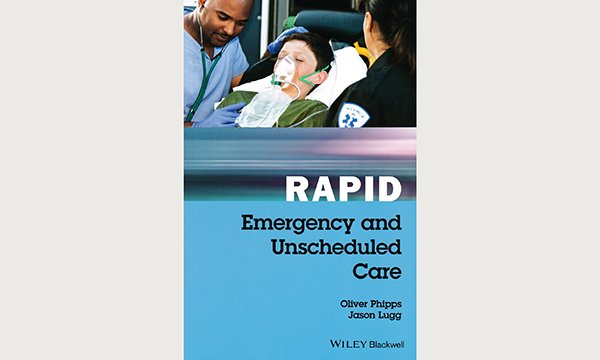
RAPID Emergency and Unscheduled Care
Lecturer Mike Brady reviews Rapid Emergency and Unscheduled Care.
28 Sep 2016
Image
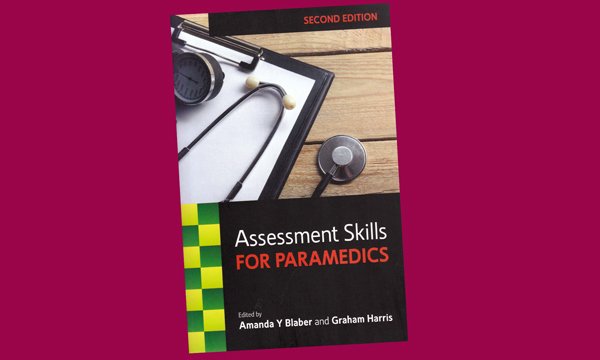
Assessment Skills for Paramedics
06 Jul 2016
Image
Paramedic
Interventions that could prevent the debilitating effects of death anxiety and improve staff’s mental health
10 Jul 2015
Image
Reflective discussion

Mistakes made in healthcare settings and the challenges to staff that arise from them can harm service users, consume time and money, and often receive bad publicity. However, by learning from these mistakes and meeting these challenges, practitioners can improve the quality of the care they provide. This article explores what is meant by mistakes and challenges in the context of health care. It suggests that front line managers are best placed to prevent and learn from mistakes, and thereby improve care for patients.

01 Feb 2013
Image
Reflective discussion

Mistakes made in healthcare settings and the challenges to staff that arise from them can harm service users, consume time and money, and often receive bad publicity. However, by learning from these mistakes and meeting these challenges, practitioners can improve the quality of the care they provide. This article explores what is meant by mistakes and challenges in the context of health care. It suggests that front line managers are best placed to prevent and learn from mistakes, and thereby improve care for patients.

01 Feb 2013

Partnership, often wrongly used interchangeably with ‘collaboration’ and ‘inter-agency working’, features regularly in government publications, and is often high on health and social care managers’ agendas. With an increasing emphasis on partnership in politics, society and health care, managers need to understand the concept in relation to their practice, its challenges and the most effective ways of implementing it. This article discusses the multifaceted nature of partnership, explores the benefits and obstacles to achieving successful partnerships and looks at how these can be overcome.

28 Jan 2013