Neurological diseases caused by prions have received less media attention in recent years, but they still have the potential to cause harm.
This article presents a literature review on smoking rates among nurses and the nursing role in promoting smoking cessation worldwide. Findings included wide variations between countries in smoking rates among nurses, and the important influence of peers and family members on smoking behaviours. Several studies indicated that nurses would value more education on techniques to promote smoking cessation.
At a time when medical advances all seem to require expensive technology or drugs, and developed countries struggle to fund ever-expanding healthcare budgets, it is salutary to find a book focusing on surgery in low-income countries.
The term ‘professionalism’ is a constant feature of nursing discourse, but the implications of its use are not often spelled out.
The fifth edition of this Australian textbook provides an overview of the main issues in theory and practice for nurses wanting to optimise their interpersonal communications with patients.
The focus on quality improvement in health care seems to generate a never-ending series of campaigns, which are superseded almost as soon as they are announced. But the one constant in this is ‘clinical governance’
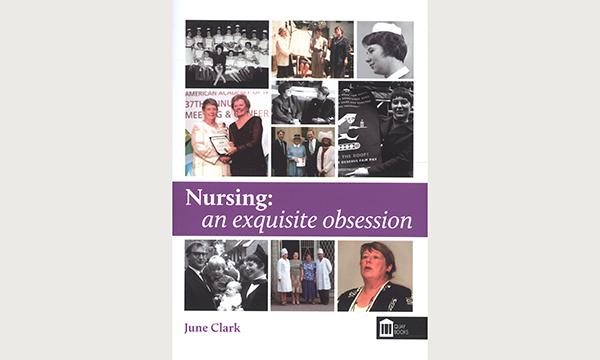
Anecdotal accounts of nursing and midwifery in days gone by are popular in books and TV.
Urinary tract infections in catheterised patients continue to present a challenge in reducing healthcare-associated infection. In this article, an infection prevention and control team in one NHS trust reports on using audit results to focus attention on measures to reduce bacterial infections. Educational initiatives have an important role in reducing infection, but there is no single solution to the problem. Practice can be improved using a multi-targeted approach, peer review and clinical audit to allow for shared learning and experiences. These, along with informal education in the clinical area and more formal classroom lectures, can ultimately lead to improved patient outcomes.
This article describes the introduction of abdominal massage techniques by a community team as part of a total bowel management programme for people with learning disabilities. A trust-wide audit of prescribed laxative use by this client group raised concerns, and led to a more systematic approach to managing constipation in people with learning disabilities. An education programme for carers proved to be successful. Some reported that adopting abdominal massage provided further opportunity to develop the therapeutic relationship.
Reforms to the NHS following the passing of the Health and Social Care Act 2012 have created new purchaser organisations with responsibility for planning the configuration of healthcare services in their geographic areas. If a community multiple sclerosis (MS) nursing service is to survive in this environment, it must demonstrate its ability to contribute to achieving the purchaser organisations’ objectives. Evaluation data, such as hospital admission avoidance and patient satisfaction, will be crucial in demonstrating the community MS nursing service’s clinical and economic effectiveness. A strengths, weaknesses, opportunities and threats (SWOT) analysis of the issues facing a community MS service in this environment is provided.
The advanced clinical practitioner role in emergency departments in the UK has developed in an ad hoc manner, without a national framework of registration requirements. This article describes the structure adopted by one NHS trust in England to certify the clinical competence of advanced clinical practitioners in emergency departments through the completion of two portfolios, with a third portfolio to record professional development. The portfolios cover history taking, clinical examination, and interpretation of information and basic investigations to enable the practitioner to undertake medical clerking of a patient attending the emergency department. The portfolios contain evidence of learning and observation of practitioners by middle-grade doctors and consultants.
The Kettering Infection Predictor (KIP) tool was developed in response to high levels of healthcare-associated infections (HCAIs) found in one English district general hospital. As part of a hospital-wide infection prevention strategy, the KIP tool focused nurses’ attention on high-risk patients. Other elements of the strategy included monitoring of compliance with hand hygiene protocols, enhanced cleaning routines, establishment of a specialised isolation ward and improved antimicrobial prescribing. While there is no single solution to prevent HCAIs, the KIP tool can contribute to maintaining optimum vigilance.