Image

How to manage an overcrowded emergency department waiting room
Outlining steps nurses can take to mitigate some of the associated risks of an overcrowded ED
Clinical
Image

Acute deterioration in adults: pathophysiology of common signs and symptoms
Recognise the importance of clinical intuition and judgement, and effective communication
CPD articles
Image

Falls prevention in hospitalised older adults with cognitive impairment
Learn about the ethical implications of using interventions such as enhanced observation
Clinical
Image

How to assess patients in the six key domains of a comprehensive geriatric assessment
Enhance or refresh your knowledge of the six key domains of a CGA
How to
Image

Advanced practitioners assessing physical health of mental health service users
Refresh your knowledge of the links between physical health and mental health
Clinical
Image

Assessing frailty in older adults with cancer to optimise care provision and outcomes
Early identification of frailty followed by referral for a comprehensive geriatric assessment
CPD articles
Image
Assessing frailty in older adults with cancer to optimise care provision and outcomes
Early identification of frailty followed by referral for a comprehensive geriatric assessment
CPD articles
Image
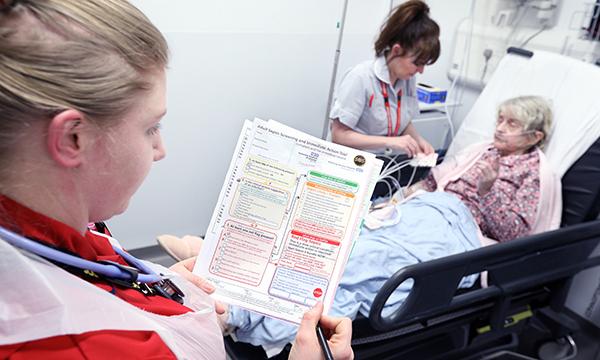
How to screen and provide rapid initial treatment for sepsis in adult patients
Keep your knowledge of guidance on the management of suspected sepsis up to date
How to
Image

Patient deterioration tools: NEWS2, ABCDE and which do I use when?
Your guide to how these tools can support your decision-making
Students
Image
Patient deterioration tools: NEWS2, ABCDE and which do I use when?
Your guide to how these tools can support your decision-making
Students
Image

Redesigning first point of contact for walk-in patients in the emergency department
First Encounter model shows effective ED transformation can emerge from targeted interventions
Clinical
Image

Menopause: learning disability nurses’ pivotal role in helping service users
The menopause is an often overlooked factor when supporting women with learning disabilities
CPD articles