Image

Palliative care: navigating the nurse’s evolving role
Supporting a person-centred approach through developing skills and leading care
Clinical
Image
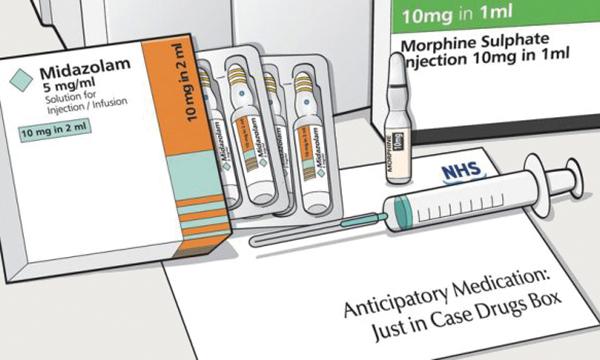
Best practice in end of life care and the use of anticipatory medicines
Learn how to formulate a care plan incorporating anticipatory medicines
Clinical
Image
Best practice in end of life care and the use of anticipatory medicines
Learn how to formulate a care plan incorporating anticipatory medicines
Clinical
Image
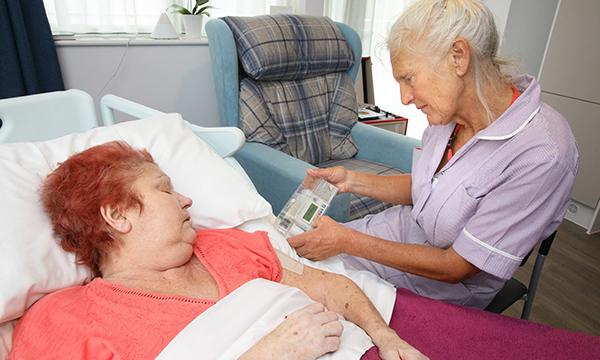
A checklist to facilitate safe, timely ED discharges for patients at end of life
Such checklists support nurses to contribute to person-centred, dignified care for such patients
Clinical
Image

Challenges of providing palliative care to people experiencing homelessness
How outreach and other services can help ensure that people receive the support they need
Clinical
Image

Role of nurses in supporting advance care planning for people living with dementia
Nurses' ability in ACP can be improved by training, mentoring and a collaborative work culture
CPD articles
Image

Helpline nursing: could you make the shift from in-person care to a phone support role?
It may not be hands-on care, but helplines offer support in a sometimes disconnected system
Career advice
Image

Open access
Challenges for community nurses providing high-quality palliative care in rural areas
Evidence-based strategies that support person-centred and community-driven care models
Clinical
Image
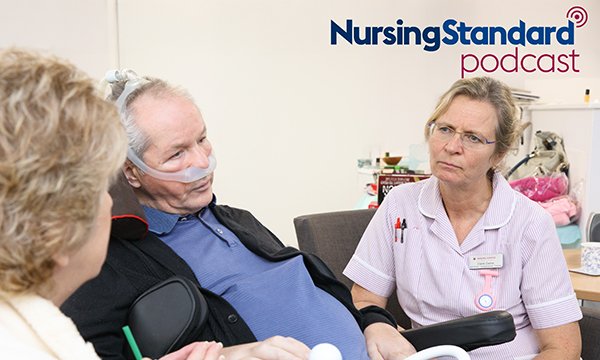
Free
End of life care: making nurses more comfortable talking about dying
Leading nurses discuss how to equip the profession to support those at the end of life
Podcast
Image
Free
End of life care: making nurses more comfortable talking about dying
Leading nurses discuss how to equip the profession to support those at the end of life
Podcast
Image
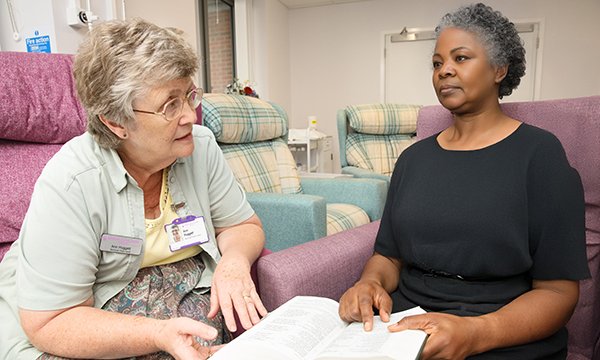
Providing spiritual care at the end of life: nurses’ roles and perspectives
Learn about the horizontal transcendence model and how nurses can use it with patients
Clinical
Image

Communicating with patients at the end of life: do you feel well prepared, or daunted?
Tips from expert nurses on asking the right questions – and listening to the answers
Students