



Our Blue Light seeks to improve the well-being of emergency service professionals
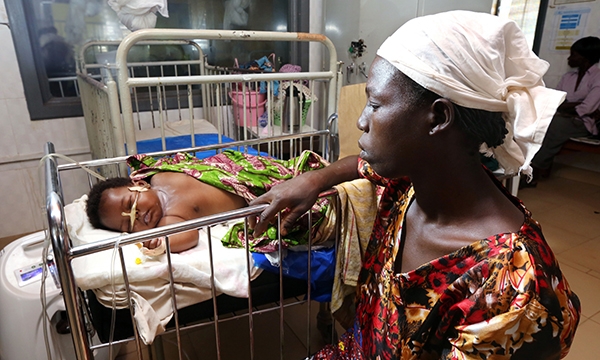
Improving emergency care systems around the world is vital to ensure efforts to reduce injury and disease succeed
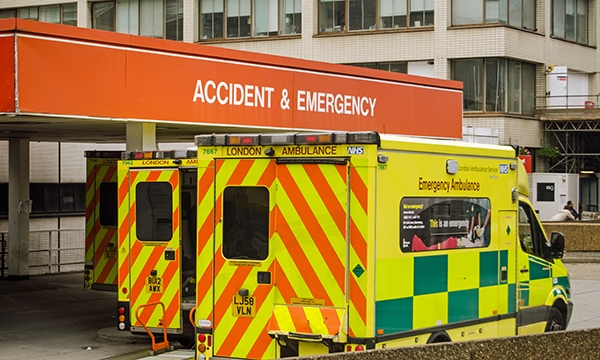
Too many patients must wait excessive periods for care in emergency departments.
We need to do more to retain emergency nurses under increasing levels of workplace stress.

Autism is a lifelong developmental disability that affects perceptions of the world and interactions with other people.

Ambulance services in England attempt the resuscitation of almost 30,000 people who have experienced out-of-hospital cardiac arrest each year.

Following our professional standards of practice can often be difficult in tough situations, but nurses should always maintain their duty of care.

Consultant editor of Emergency Nurse Tricia Scott discusses the options for emergency care staff

Role of emergency nurses in encouraging patients to take exercise.
In the current climate of emergency care, excluding those at the heart of the NHS is unacceptable.
Many emergency nurses find it difficult to support relatives whose loved ones are being resuscitated or to witness relatives’ distress after their family members have died. When such events occur, emergency practitioners have few opportunities to engage effectively with relatives and so they must get it right first time, every time. Consequently, they need to be able to give information sensitively, and express compassion and empathy, to bereaved relatives. This article discusses these issues and includes exercises that practitioners can undertake to identify their personal strengths and professional competences when caring for suddenly bereaved relatives.
Carbon monoxide (CO) is a toxic gas usually formed during the incomplete combustion of carbon-based fuels. Poisoning by CO can be fatal or lead to long-term debilitating cardiovascular, respiratory and neuropsychological conditions. Despite the reinforcement of government policies on CO poisoning over the past decade, emergency practitioners should become more aware of CO toxicity to reduce mortality and morbidity, and an unnecessary financial burden on health services. This article alerts emergency nurses to the signs and symptoms of CO poisoning and discusses the use of non-invasive CO-monitoring devices to confirm levels of CO in patients’ blood and exhaled air. It also considers the case for early CO monitoring in emergency care settings.