Image
Understanding and supporting young people exposed to online misinformation about eczema
Nurses should direct young people to trustworthy sources to protect them from misinformation
05 Aug 2024
Image
Skin health

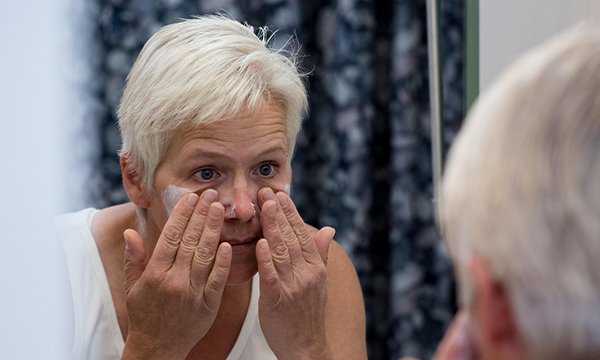
Skin changes associated with age are inevitable. Ageing is associated with structural and functional changes of the skin that result in increased vulnerability. The most common functional skin changes are dryness (xerosis), which causes itching and discomfort, and skin fragility, increasing patients’ vulnerability to skin damage. Dry skin and itching have a significant effect on older people, which can be further exacerbated by products used for washing and bathing. The management of dry skin and itching is fundamental to older people’s care and nurses should act in their best interests to ensure that the potential for skin damage is addressed. However, many older people are often reluctant to discuss the problem, are embarrassed and will self-treat or try to hide an underlying problem such as incontinence or worries about being infectious or dirty. This can be challenging when managing their skin care because of under-reporting, self-medicating or the assumption that it is ‘just old age’.
30 Oct 2018
Image
Skin

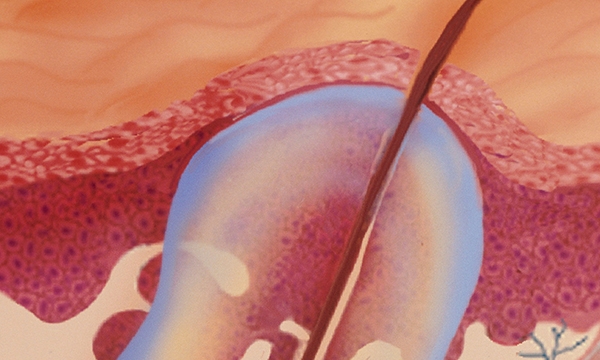
This article outlines the issues involved in assessing and managing people who present with skin infections. Inflammatory skin conditions such as eczema, psoriasis and skin lesions are the commonest reason for referral to a specialist, whereas skin infections are commonly seen by generalists (Schofield et al 2009). If the skin’s integrity is damaged, it can become vulnerable to microorganisms, resulting in an infection. Skin infections are common and are often upsetting for people and their families because of the stigma surrounding them – the perception being that the infections are the result of poor hygiene and the person being dirty. As a result, many people with dermatology problems experience negative reactions from others. This article will provide an overview of skin infections commonly seen by nurses working in primary care. It will look at examples of bacterial, viral and fungal infections, focusing on their aetiology, history, clinical findings, diagnosis, treatment and management.

26 Mar 2018
Image
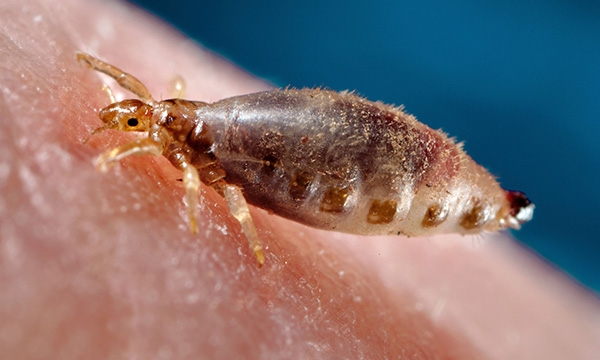
Louse

Infestations can be found on the skin or cause skin reactions. There are many types of skin infestations, which can often cause embarrassment and anxiety for patients, their family and their carers. This article will provide an overview of skin infestations focusing on head lice and scabies in particular.
29 Nov 2017
Image
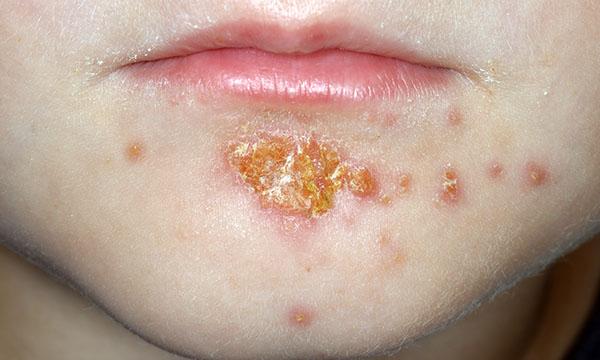
Crust impetigo

Skin conditions are common and patients will present in all care settings. Nurses observe the skin on a daily basis while caring for their patients, so it is important to have an understanding of the skin and its function. Skin conditions can be extremely uncomfortable and cause a great deal of distress, anxiety and embarrassment. This paper will the cover the principles of assessment of a patient presenting with a skin problem.

29 Dec 2016

There are several skin conditions that can be triggered by allergy. These allergies can be extremely uncomfortable, cause a great deal of distress, anxiety and embarrassment, and have a significant impact on patients’ quality of life. This article describes the causes of skin allergies, highlights the importance of taking a thorough medical and allergy history, and outlines the principles of diagnosis and management.

28 Apr 2016

Here's the story of Helen and her life with eczema. She invites the reader to learn about her experience and the challenges of living with eczema

12 Nov 2015

The first known UK health visitor post was established in 1862, in response to the living conditions of the poor. Before the first world war, local government boards advised district councils generally to employ health visitors: breastfeeding and child nutrition needed particular attention. In 1910, Hucknall District Council in Nottinghamshire, England, appointed nurse Ellen Woodcock to advise mothers and caregivers on looking after their children and themselves. Focusing on the welfare of women and children, health visitors could not fail to reach everyone in the community. This historical perspective shows that many of the initiatives and policies of today mirror those of a century ago.

07 Oct 2014

This article outlines the issues involved in assessing and managing patients who present with a vulval skin condition. It describes the anatomy of the vulval area, many of the skin conditions that nurses may encounter in their practice and potential treatment options for these conditions. The importance of accurate history-taking is emphasised and described, and appropriate referral to a specialist is also discussed.

25 Jun 2014

Skin care practices involving the application of products to the skin are common. This article focuses on these aspects of infant skin care, the importance of skin barrier function and how the use of products and therapies applied to the skin can affect skin‑barrier function. It also challenges current practice and tradition, and highlights the evolving body of research into practice and tradition.

01 Sep 2013

Eczematous conditions are common in all age ranges; this article focuses on conditions that affect adults. The principles of assessment and the use of emollients and topical corticosteroids covered in the article apply to the majority of eczematous conditions.

07 May 2010

<p>This article provides an overview of the issues involved in the assessment and management of patients presenting with contact dermatitis. It describes the different types of contact dermatitis, outlines possible triggers and highlights treatment strategies.</p>

05 May 2009

This article provides an overview of the issues involved in the assessment and management of patients presenting with contact dermatitis. It describes the different types of contact dermatitis, outlines possible triggers and highlights treatment strategies.

29 Apr 2009

This article outlines the issues involved in assessing and managing patients who present with a vulval skin condition. It describes the anatomy of the vulval area, many of the skin conditions that nurses may encounter in their practice and potential treatment options for these conditions. The importance of accurate history-taking is emphasised and described, and appropriate referral to a specialist is also discussed.

28 Jun 2006