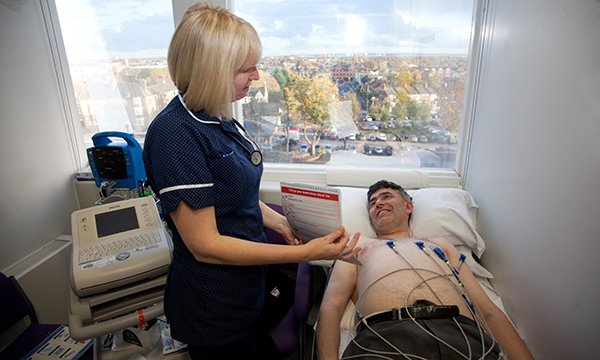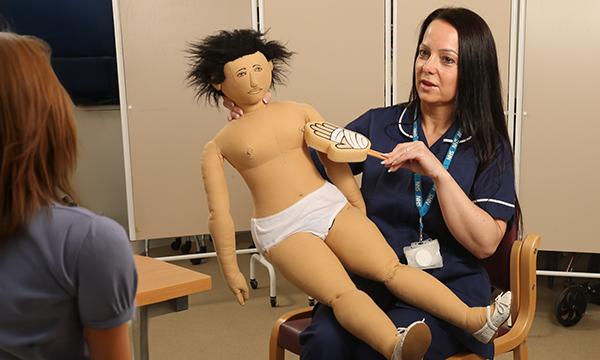
With an increasing population in need of care of support, there are many career opportunities
Study finds service users need key relationships to help navigate next steps
New law alone will not address unnecessary detentions of people with learning disabilities
Michael Brown looks at a book focusing specifically on learning disability nursing models
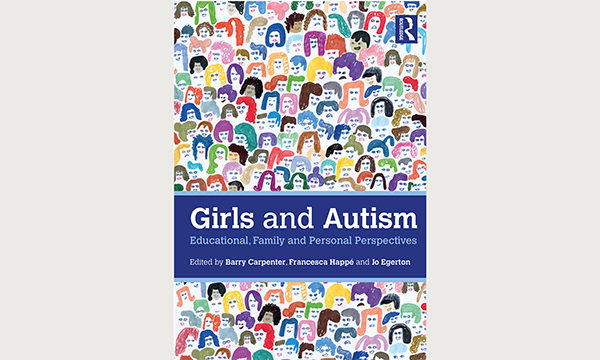
A new book focusing on girls and women on the autism spectrum
What can be done to ensure learning disability nursing retains high-quality staff?
This article explores the lived experiences of five nursing students who participated in the Erasmus+ programme, an initiative – funded by the European Union – which aims to support projects that enhance, modernise and innovate education and training in Europe. The project discussed here focused on meeting the needs of children and young people with complex intellectual and developmental disabilities. The students, from across Europe, were from a variety of disciplines, including nursing, education and social education.
This article explores the lived experiences of five nursing students who participated in the Erasmus+ programme, an initiative - funded by the European Union - which aims to support projects that enhance, modernise and innovate education and training in Europe. The project discussed here focused on meeting the needs of children and young people with complex intellectual and developmental disabilities. The students, from across Europe, were from a variety of disciplines, including nursing, education and social education.
The population of people with intellectual disabilities – this is the international term used to describe a learning disability – is increasing and ageing, and many require frequent access to healthcare services for assessment, treatment and care. The European Disability Strategy 2010-2020 identifies the need to reduce the barriers to healthcare for people with disabilities, to improve their quality of life and reduce preventable mortality. Part of this policy focuses on the education and preparation of future practitioners. The European Union (EU) Erasmus Plus programme is an opportunity to bring together educators and students, to share learning and develop an understanding of the needs of people with intellectual disabilities. This article gives an overview of the programme, policies and practices relating to care of people with intellectual disabilities in four EU member states – Scotland, England, Norway and Romania. It also identifies ways in which access to services for this population can be improved through education, workforce and services in an EU context.
<p>This article presents the findings of a study of the networking activities of 665 learning disability and intellectual disability nurses in the UK and the Republic of Ireland. Participants were emailed a descriptive survey questionnaire, which they completed online. Key findings from this study include an agreed definition of networking and evidence about professional networking activities within the profession.</p>
<p>Emergency care nurses are expected to be able to care for a range of people with diverse health-care needs.</p>
<p>There are over 200 consultant nurses in post in the four UK countries. They work in a variety of settings – such as mental health, sexual health, public health, infection control, midwifery and the care of older people. Lothian Primary Care Trust established the first consultant nurse post in learning disabilities in Scotland and I was appointed to it last October. Similar posts in Glasgow and Inverness are being developed, with the possibility of others to follow. The creation of these posts in learning disability practice is good news for people with learning disabilities and their carers, given the indisputable evidence of their high health needs and the often complex challenges of trying to meet them. The key to our success will be our ability to work in partnership with people with learning disabilities, their carers and other key stakeholders to improve health and wellbeing.</p>