

A series about conditions with common symptoms that constitute syndromes
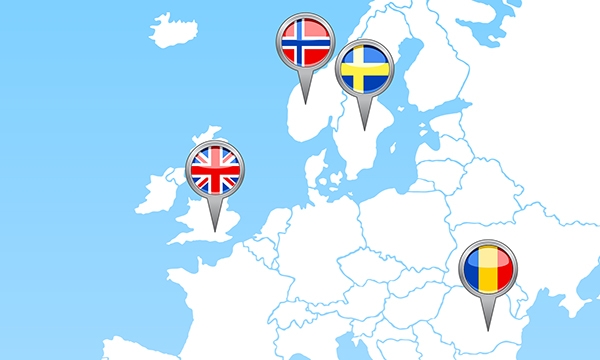
This article explores the lived experiences of five nursing students who participated in the Erasmus+ programme, an initiative – funded by the European Union – which aims to support projects that enhance, modernise and innovate education and training in Europe. The project discussed here focused on meeting the needs of children and young people with complex intellectual and developmental disabilities. The students, from across Europe, were from a variety of disciplines, including nursing, education and social education.

The Norwegian social educator training is a three-year programme at the undergraduate level. The aim of the programme is to educate professionals who are able to deliver safe and secure health and social services to people with complex needs. People with learning disabilities are a key target group. Typically, the social educator works in services for people with learning disabilities, home-based municipal care services, respite care homes, care homes for older people, and other municipal health and social services. In this short article an overview and background of the role of the social educator role in Norway is given. Further, the social educator’s contribution in meeting the care needs of people with intellectual and other disabilities is described.