Image
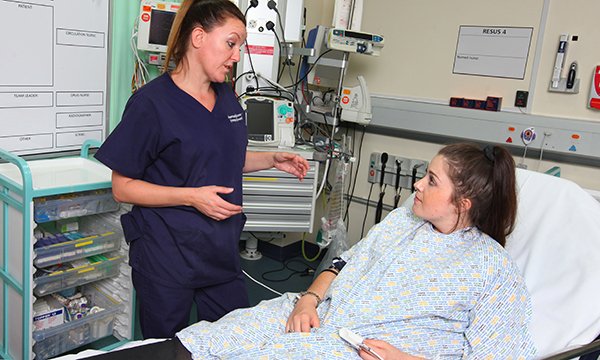
Seven-day unplanned re-attendance rate for patients seen in the ED by advanced clinical practitioners: a service evaluation
Seven-day unplanned re-attendance rate for patients seen in EDs by ACPs
This indicator of quality of care could help in the professional development of ACPs
26 Aug 2025
Image
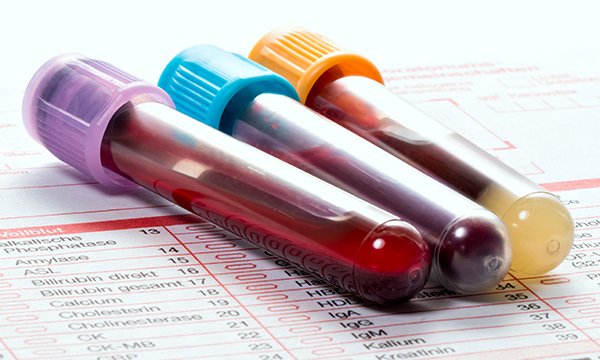
Rhabdomyolysis: a case-based critical reflection on its causes and diagnosis
Rhabdomyolysis is a complex condition that can have traumatic and non-traumatic causes
24 Mar 2020
Image
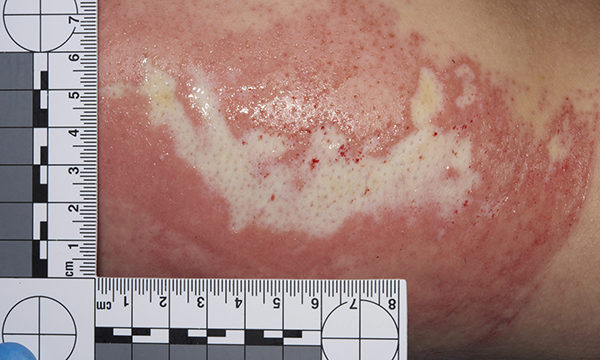
Full-thickness burns due to contact with gastric acid
This article highlights the potential harm caused by gastric acid
06 Jun 2019
Image
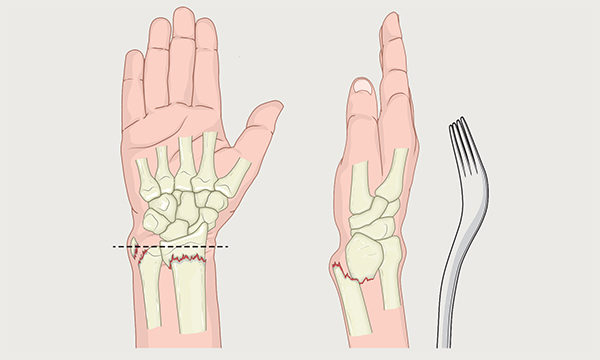
Colles’ fractures in emergency departments
Evidence-based management of patients with Colles’ fractures in emergency departments: a case-based critical reflection

Distal forearm fractures are a common presentation in UK emergency departments (EDs). However, despite the frequency of this presentation there is considerable variation in management, which may reflect the lack of definitive evidence to support one method. This article provides a narrative review of the literature on these injuries and provides an evidence-based approach to how they can be managed by ED clinicians. The review was prompted by a case-based critical reflection and Driscoll’s (2007) model what, so what, now what, is used to structure the article and learning.
04 Dec 2018
Image
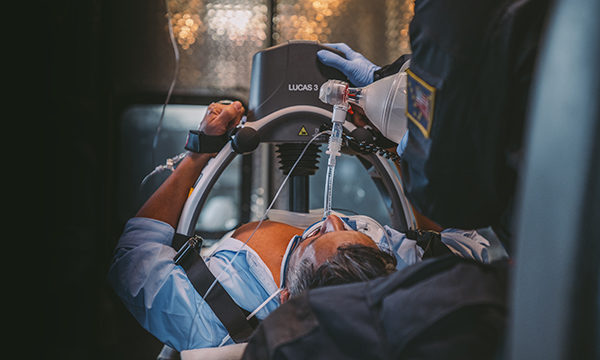
LUCAS
Does use of the LUCAS device improve mortality in adult patients with out-of-hospital cardiac arrest?

Out-of-hospital cardiac arrest (OHCA) is a common occurrence in the UK, with 60,000 cases reported annually. To improve outcomes among these patients it is necessary to improve links in the cardiac arrest chain of survival. Cardiopulmonary resuscitation (CPR) is one of the main elements of this chain because it reduces further ischaemic insult in the brain and heart by contributing to blood flow. However, even the best manual CPR provides only 20%-30% of the normal cardiac output. Despite the emphasis on timely CPR at the correct rate and depth, delivery of compressions is suboptimal for many patients and mechanical devices may improve outcomes.

This article critically appraises two important papers on the use of mechanical CPR for OHCA. It also suggests potential uses for this treatment option and areas for future research.
15 Aug 2018
Image
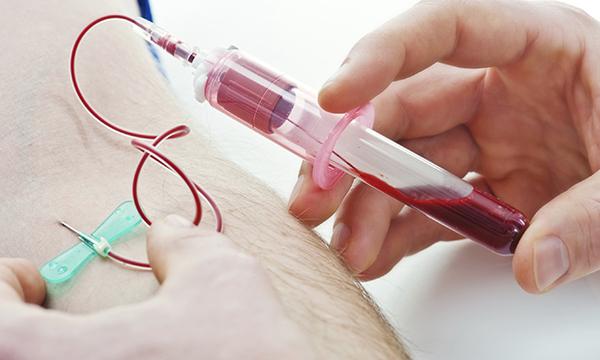
Taking blood
Lactate in the emergency department: a case-based critical reflection

Serum lactate levels are frequently measured in patients with undifferentiated conditions in emergency departments. This article uses a case-based reflection to critically analyse the role of lactate measurement in these patients. It examines the rationale for testing, and the potential causes of raised levels, to remind clinicians that this diagnostic intervention must be taken in the context of patients’ clinical presentations and not in isolation.

12 Sep 2016
Image
Venous and arterial blood gases in respiratory failure

Arterial and venous blood gases are commonly performed operations in emergency departments. This case-based critical reflection examines the contemporary literature relating to the topic. An evidence-based approach to selecting the most appropriate test for each patient is discussed, aiming to minimise the need for unnecessary arterial sampling.

10 Jun 2016
Management of acute heart failure in the emergency department

Acute heart failure (AHF) is a leading cause of hospital admission in the UK and is associated with significant mortality. The National Institute for Health and Care Excellence (2014) has published guidelines for the management of AHF but, after a clinical event in which a patient’s management differed from that recommended in the guidelines occurred in the author’s emergency department, he conducted a critical analysis of them. This article provides a case study of the clinical event, reviews the treatment methods adopted and explores the rationale for taking a different approach from that recommended in the guidelines. The evidence base for the use of diuretics, nitrates and non-invasive ventilation in the management of patients with AHF is also appraised.

07 Dec 2015
Major trauma training for emergency nurses

The Midlands regional trauma network was established in March 2012 to improve and standardise the care offered to patients with major trauma. This article discusses the results of a survey of formal training in, and self-assessed knowledge of, trauma management among emergency department nurses working in the network. Less than one third of the nurses had received formal training against which standards can be benchmarked, and the article recommends that nurse education standards are reinstated as key performance indicators in the region.

02 Apr 2014
Rapid sequence induction in urgent care settings

In the management of critically ill patients in emergency departments, rapid sequence induction (RSI) of anaesthesia is often required. This article examines the elements of RSI that are necessary before before endotracheal tube placement and reviews the findings of a national audit project, conducted by Royal College of Anaesthetists and Difficult Airway Society. It also considers the role of nurses in RSI procedures.

05 Mar 2014
Using a computerised patient-alert system

The information technology systems used in most modern emergency departments alert staff to patients who require special management, including those with infections or histories of violence, or children on the child protection register. These systems can improve care for patients, protect staff and prevent infection, although their benefits must be weighed against the risks involved in storing sensitive data on computers. It is essential, therefore, that such systems are professionally maintained and updated. This article reports how one UK emergency department uses a computerised alert system to improve patient care.

01 Apr 2013
Therapeutic hypothermia in the treatment of cardiorespiratory arrest

Prompt treatment of patients with cardiorespiratory arrest can mean the difference between life and death. This article analyses the use of therapeutic hypothermia and aims to educate practitioners about its advantages and disadvantages as an immediate treatment.

05 Feb 2010