Understanding the use of thromboprophylaxis for patients with lower limb immobilisation
Nurses' role in patient education on signs and symptoms of DVT and PE and rationale for...
Understanding the use of thromboprophylaxis for patients with lower limb immobilisation
Nurses' role in patient education on signs and symptoms of DVT and PE and rationale for...
Risk assessment and thromboprophylaxis in adult patients with lower-limb immobilisation
Fictional study of a patient with an ankle fracture to explore guidance on risk assessment
Understanding patient assessment and treatment in deep vein thrombosis
Learn about history taking, physical examination and supporting patients
Understanding patient assessment and treatment in deep vein thrombosis
Learn about history taking, physical examination and supporting patients
What does a thrombosis nurse specialist do – and could this be your next role?
The position involves care in preventing, diagnosing and treating venous thromboembolism
A nurse’s guide to direct oral anticoagulants
Enhance your knowledge of their indications, doses and side effects
Medicine wastage in a thromboprophylaxis protocol for ambulatory trauma patients
Investigating the waste and cost with suggestions for changing dispensing practice

How a new nursing role is tackling hospital-associated harm
Thromboembolism unlikely to cause premature death in people with cancer
Thromboembolism may be a symptom of disease rather than a cause of premature death
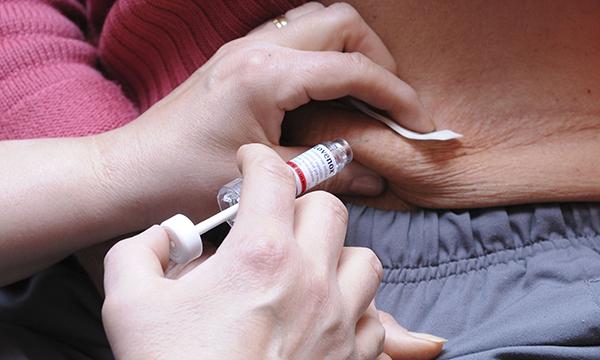
Adherence to low molecular weight heparin treatment by patients with cancer who develop VTE
Prevention, diagnosis and treatment of venous thromboembolism
Starting testosterone treatment increases risk of blood clots
Non-pharmacological interventions for the prevention of venous thromboembolism: a literature review
Point-of-care D-dimer testing in emergency departments