
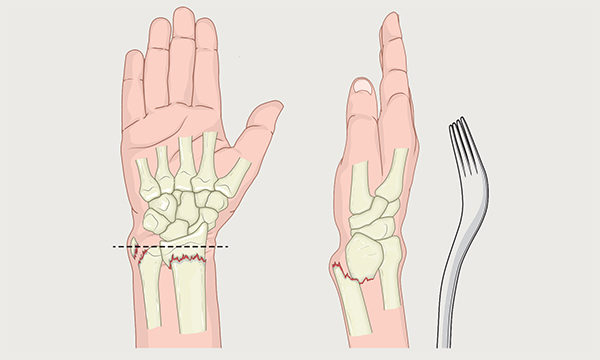
Distal forearm fractures are a common presentation in UK emergency departments (EDs). However, despite the frequency of this presentation there is considerable variation in management, which may reflect the lack of definitive evidence to support one method. This article provides a narrative review of the literature on these injuries and provides an evidence-based approach to how they can be managed by ED clinicians. The review was prompted by a case-based critical reflection and Driscoll’s (2007) model what, so what, now what, is used to structure the article and learning.
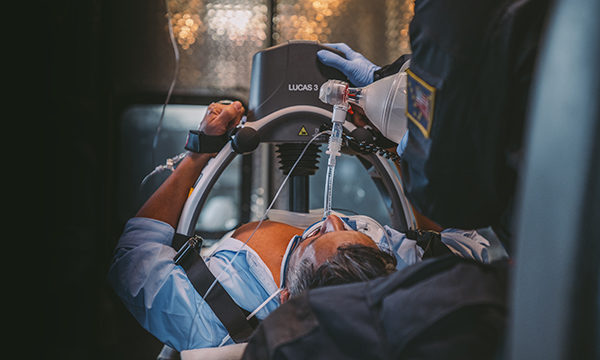
Out-of-hospital cardiac arrest (OHCA) is a common occurrence in the UK, with 60,000 cases reported annually. To improve outcomes among these patients it is necessary to improve links in the cardiac arrest chain of survival. Cardiopulmonary resuscitation (CPR) is one of the main elements of this chain because it reduces further ischaemic insult in the brain and heart by contributing to blood flow. However, even the best manual CPR provides only 20%-30% of the normal cardiac output. Despite the emphasis on timely CPR at the correct rate and depth, delivery of compressions is suboptimal for many patients and mechanical devices may improve outcomes.
This article critically appraises two important papers on the use of mechanical CPR for OHCA. It also suggests potential uses for this treatment option and areas for future research.
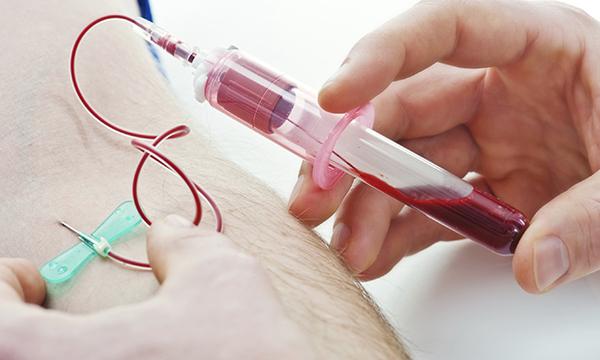
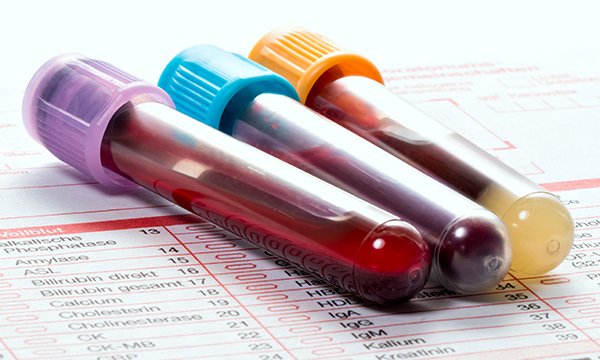
Serum lactate levels are frequently measured in patients with undifferentiated conditions in emergency departments. This article uses a case-based reflection to critically analyse the role of lactate measurement in these patients. It examines the rationale for testing, and the potential causes of raised levels, to remind clinicians that this diagnostic intervention must be taken in the context of patients’ clinical presentations and not in isolation.

Arterial and venous blood gases are commonly performed operations in emergency departments. This case-based critical reflection examines the contemporary literature relating to the topic. An evidence-based approach to selecting the most appropriate test for each patient is discussed, aiming to minimise the need for unnecessary arterial sampling.