

Image
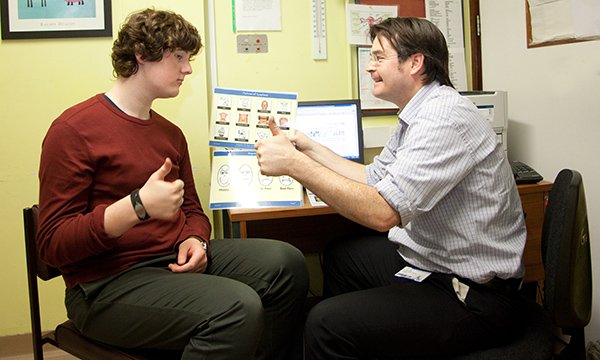
Ensuring effective communication when undertaking a systematic health assessment
How a systematic assessment works in practice and skills nurses use to engage service users
11 May 2023
Image
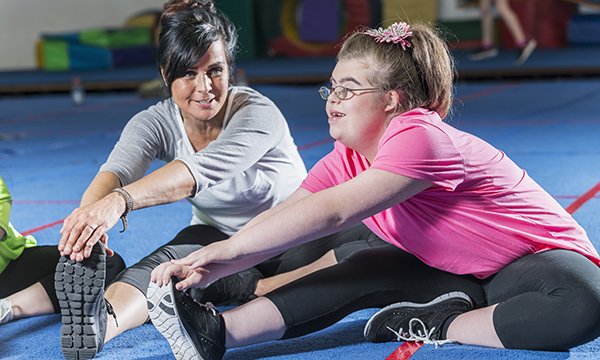
Using verbal and non-verbal communication to support people with learning disabilities
How non-verbal communication can usefully complement or replace verbal communication
27 Oct 2022
Image
Preventing, assessing and managing constipation in people with intellectual disabilities
Causes and risks of constipation in people with intellectual disabilities
13 Aug 2020
Image

One-off payments of £10,000 are to be offered to attract postgraduate students into difficult to recruit to courses like learning disability nursing

21 May 2018
Image
Continence

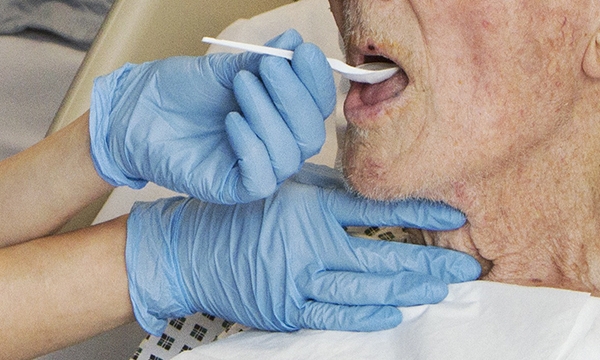
Continence is regarded as a basic need and many continence problems can be addressed and managed effectively. People with an intellectual disability (ID) are at greater risk of developing urinary incontinence (UI), however action to address their needs is minimal and the quality of care they receive varies despite national care standards and guidelines. This article examines promotion of continence in people with an ID and explores the literature on assessment and management of need. It also discusses the factors ID nurses should consider when meeting the continence needs of people with an ID, including explaining important terms, and assessing and managing UI and continence promotion, as well as their role in providing care and support in a person-centred and inter-professional context.
18 May 2018
Image
Safe eating

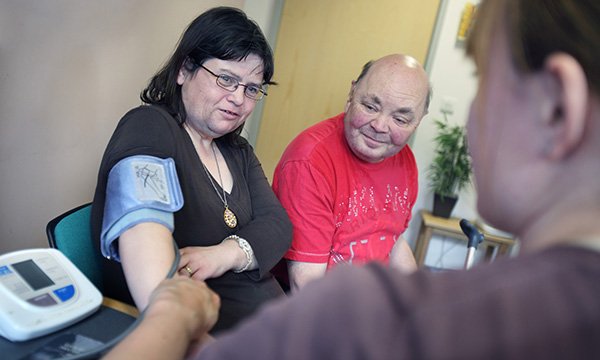
This article outlines the difficulties that people with severe and profound intellectual and multiple disabilities may have when swallowing. The article explains the prevalence, causes and nature of swallowing difficulties for people with intellectual disabilities and discusses the assessment of swallowing, eating and drinking problems. It also examines management of swallowing problems in this cohort, and uses a case study to consider how to support someone with such difficulties in the context of Orem’s self-care deficit theory. The article concludes with broad recommendations for care.
24 Jan 2018

This article outlines the difficulties that people with severe and profound intellectual and multiple disabilities may have when swallowing. The article explains the prevalence, causes and nature of swallowing difficulties for people with intellectual disabilities and discusses the assessment of swallowing, eating and drinking problems. It also examines management of swallowing problems in this cohort, and uses a case study to consider how to support someone with such difficulties in the context of Orem's self-care deficit theory. The article concludes with broad recommendations for care.

18 Jan 2018
Image
Health check

Increased life expectancy allied to increasing numbers of people with learning disabilities living in the community means that more people with learning disabilities are having their health needs met in acute general medical services. In the context of a person-centred approach, this article examines the potential problems that may arise in all healthcare settings which pose barriers to effective healthcare delivery. These include perceptions and attitudes of healthcare staff, issues of consent and communication. It proceeds to outline solutions that enable these barriers to be overcome. Such solutions centre around addressing communication difficulties and issues of consent as well as developing the education of healthcare professionals. It concludes with a case study that explains how the theoretical principles may be applied sensitively in a practice situation.

27 Jun 2016

<p>This article presents the findings of a study of the networking activities of 665 learning disability and intellectual disability nurses in the UK and the Republic of Ireland. Participants were emailed a descriptive survey questionnaire, which they completed online. Key findings from this study include an agreed definition of networking and evidence about professional networking activities within the profession.</p>

05 Oct 2009

<p>Orem’s self-care deficit nursing theory (Orem 2001) is widely used and accepted by nurses (Taylor 2002) and is one of the most frequently used theories in general nursing practice (Alligood and Marriner-Tomey 2002). This paper attempts to evaluate the theory as a means to address the unique needs of people with intellectual disabilities. Fawcett’s (1995) template for critically analysing conceptual models is used. Fawcett (1995) noted that the concepts and propositions of this theory could also be considered at the level of abstraction and generality of conceptual models, and referred to it as Orem’s self-care framework. This author (Fawcett 2000) acknowledged that this framework is widely recognised as a conceptual model. In discussion and practical application it is also referred to as ‘the self-care model’ (Pearson et al 2000). This term will be used throughout this discussion.</p>

01 May 2004

<p>The development of nursing knowledge has been a theme in general nursing literature for the past 30 years. Several theories of nursing and conceptual models of nursing have emanated from the United States, with the development and utilisation of nursing theory remaining a prevalent and current theme in US journals.</p>

01 May 2004